

Amalfi Coast, Slightly Off the Beaten Path: Why Our Family Chose Maiori Over Positano — And Never Regretted It
The Amalfi Coast has become almost mythological in modern travel culture — a cinematic collage of lemon groves, linen dresses, cliffside hotels, and impossibly blue water. It exists somewhere between fantasy and exhaustion, depending largely on when you arrive, where you stay, and whether you are willing to surrender yourself to the chaos of it all.
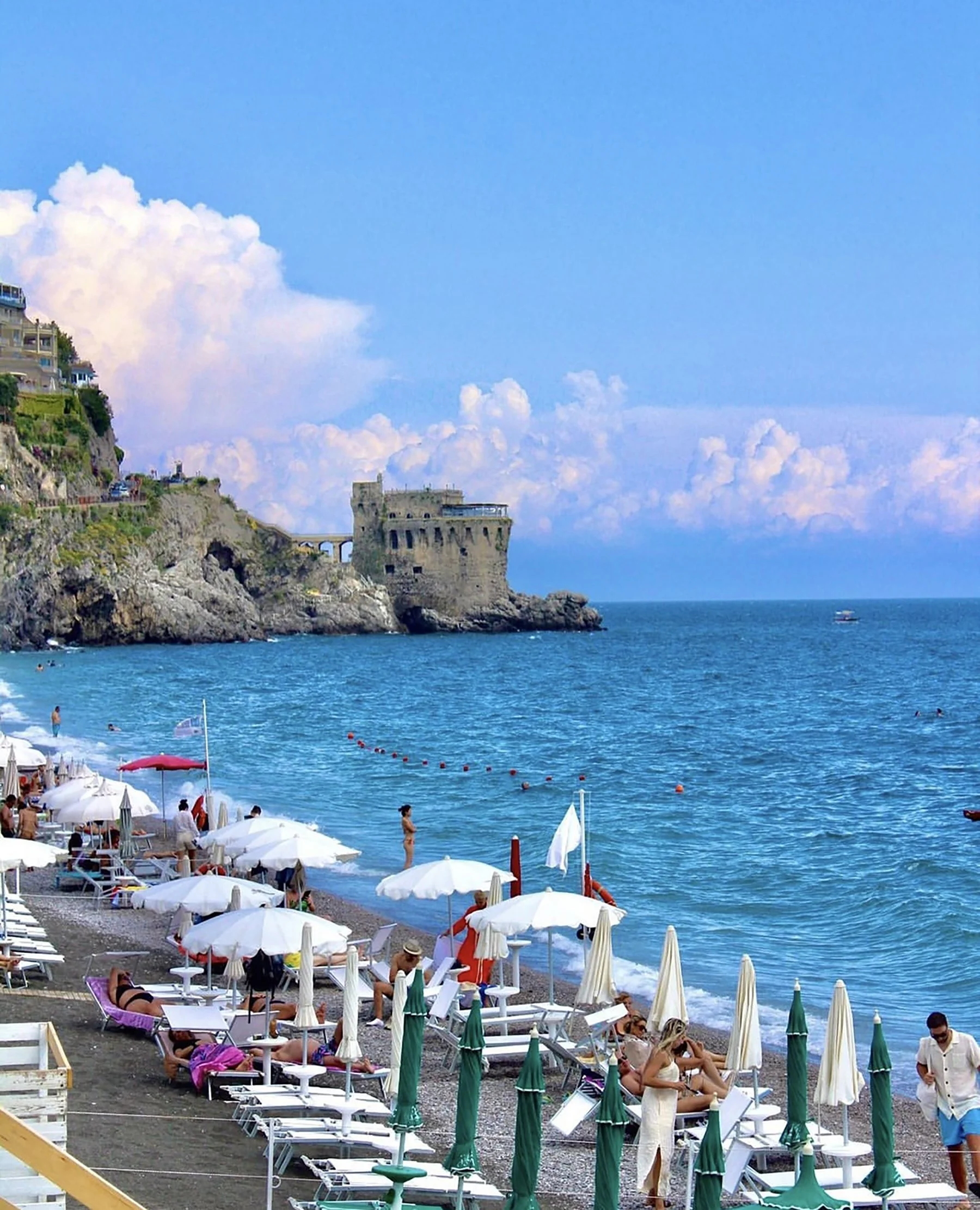
Photo Castle Di Norman in Maiori by Shainna Rosenbaum SKRR Photography
How We Got There
We traveled there in mid-June as a family of six adults — my husband and I, our three grown children, and my daughter’s boyfriend were part of our wandering Italian summer. Instead of planting ourselves directly into the frenzy of Positano, we chose something quieter: Maiori, a relaxed seaside town about ten minutes away by ferry, tucked into one of the broadest stretches of beach on the Amalfi Coast.
And it turned out to be one of the best decisions of the trip.
After taking the fast train from Florence to Salerno, we arranged a car transfer into Maiori, winding through dramatic (and somewhat terrifying) mountain roads where cliffs plunge into the Mediterranean and villages appear almost impossibly carved into the rock itself. The Amalfi Coast is not polished perfection; it is rugged beauty. Vertical beauty. The kind that humbles you immediately.
Maiori itself feels refreshingly lived-in compared to some of the coast’s more photographed destinations. There is a long seaside promenade lined with cafes and beach clubs, families strolling at night, and a rhythm that feels slower, less performative. Unlike many Amalfi towns, it has both a beach and a walkable waterfront, something surprisingly rare along this steep coastline.
Our rental home, booked through Booking.com, overlooked the sea and became our anchor point for the week. In fact, nearly every logistical detail of the trip, accommodations, transfers, and excursions, was organized through Booking.com, while flights were booked separately through Chase Sapphire travel. Keeping everything centralized made navigating a multi-generational international trip infinitely easier.
From Maiori, the coast unfolded beautifully.
The Amalfi Coast rewards effort. Nothing here is flat. Nothing is particularly easy. The towns cling dramatically to cliffs, connected by staircases, winding alleyways, and roads that seem designed more for donkeys than modern vehicles. Good shoes are not optional.
One of the most memorable experiences was walking the famed Path of Lemons, the historic trail connecting Maiori and neighboring Minori. The route sounds deceptively gentle in guidebooks: a scenic coastal walk through fragrant lemon groves. In reality, it is a steep, sun-drenched climb through endless stone staircases carved into the mountainside. But what waits along the ascent are sweeping sea views, hidden terraces, and the scent of citrus carried on warm Mediterranean air. Even dreamy lemon tree-lined stops along the way to sample fresh lemon juice, and southern Italian delicacies made of lemon rind and basil.
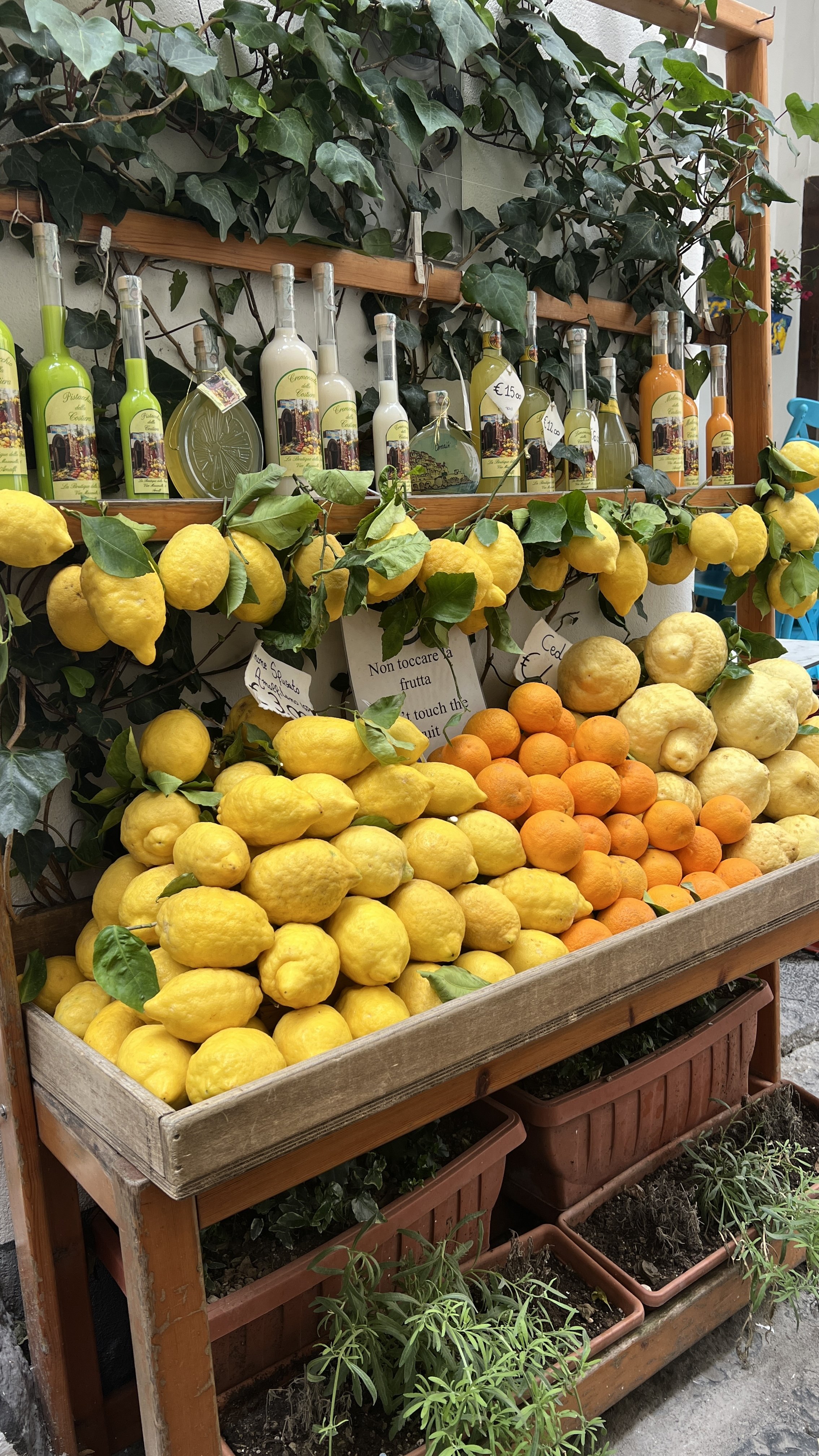
The Amalfi Coast is Close to Heaven.
Maiori, Minori, Positano & The Costa Divina
Ah! The Path of Lemons
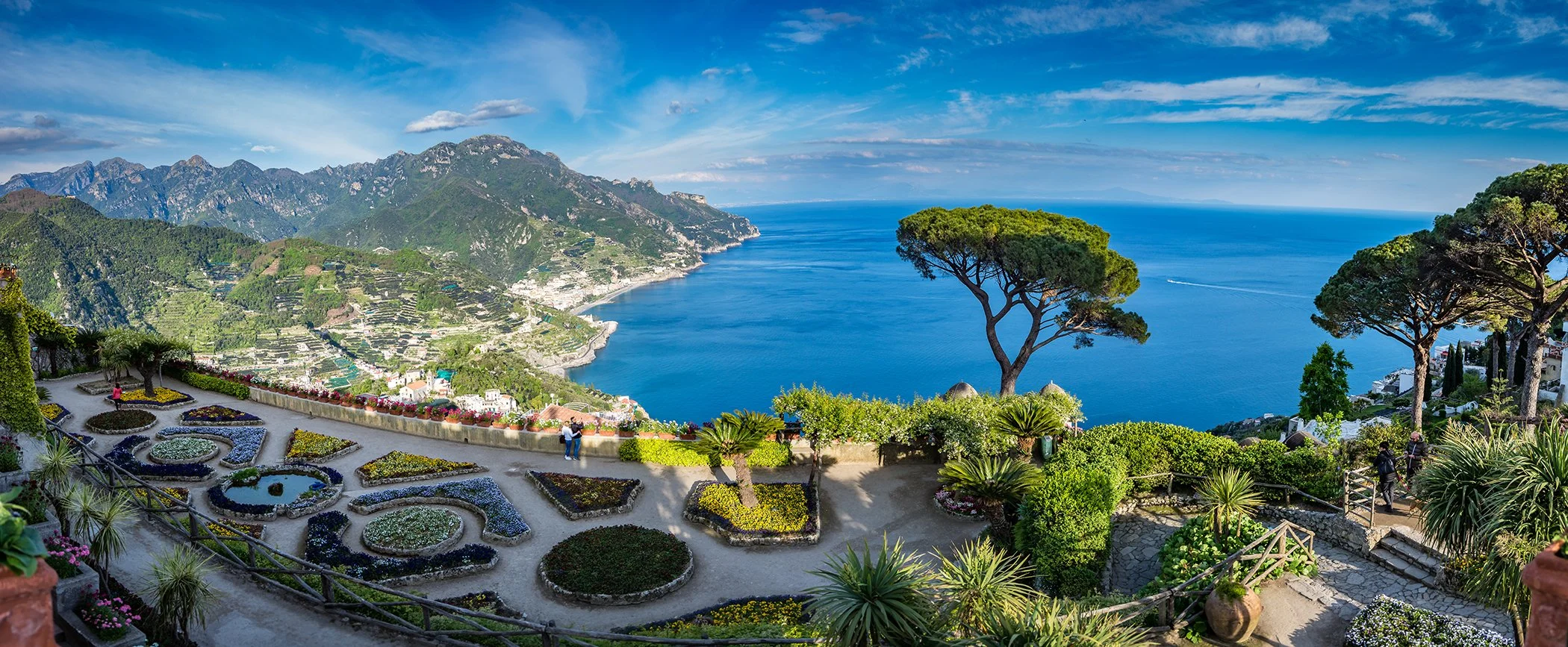
Ravello by Scooter
At one point, my husband rented a scooter to explore farther reaches of the coast, an activity I would classify as exhilarating, mildly terrifying, and absolutely not for the faint of heart. Amalfi driving requires nerves of steel, especially on narrow cliffside roads where buses somehow squeeze past each other with inches to spare. Months after we returned home, a ticket arrived in the mail for parking in a restricted area, proving that Italian traffic enforcement possesses both patience and excellent international tracking abilities. Study the parking signs carefully. Better yet, avoid parking altogether. Still, the scooter allowed him access to places more difficult to reach otherwise, including Ravello, perhaps the most quietly magical town along the coast.
Perched high above the sea, Ravello feels worlds apart from the crowded shoreline below. Elegant rather than flashy, it is known for its historic villas, romantic cliffside gardens, and sweeping terraces suspended above the Mediterranean. The atmosphere there is calmer, almost contemplative, the kind of place where one lingers over lunch far longer than intended.
Perched high above the sea, Ravello feels worlds apart from the crowded shoreline below. Elegant rather than flashy, it is known for its historic villas, romantic cliffside gardens, and sweeping terraces suspended above the Mediterranean. The atmosphere there is calmer, almost contemplative, the kind of place where one lingers over lunch far longer than intended.
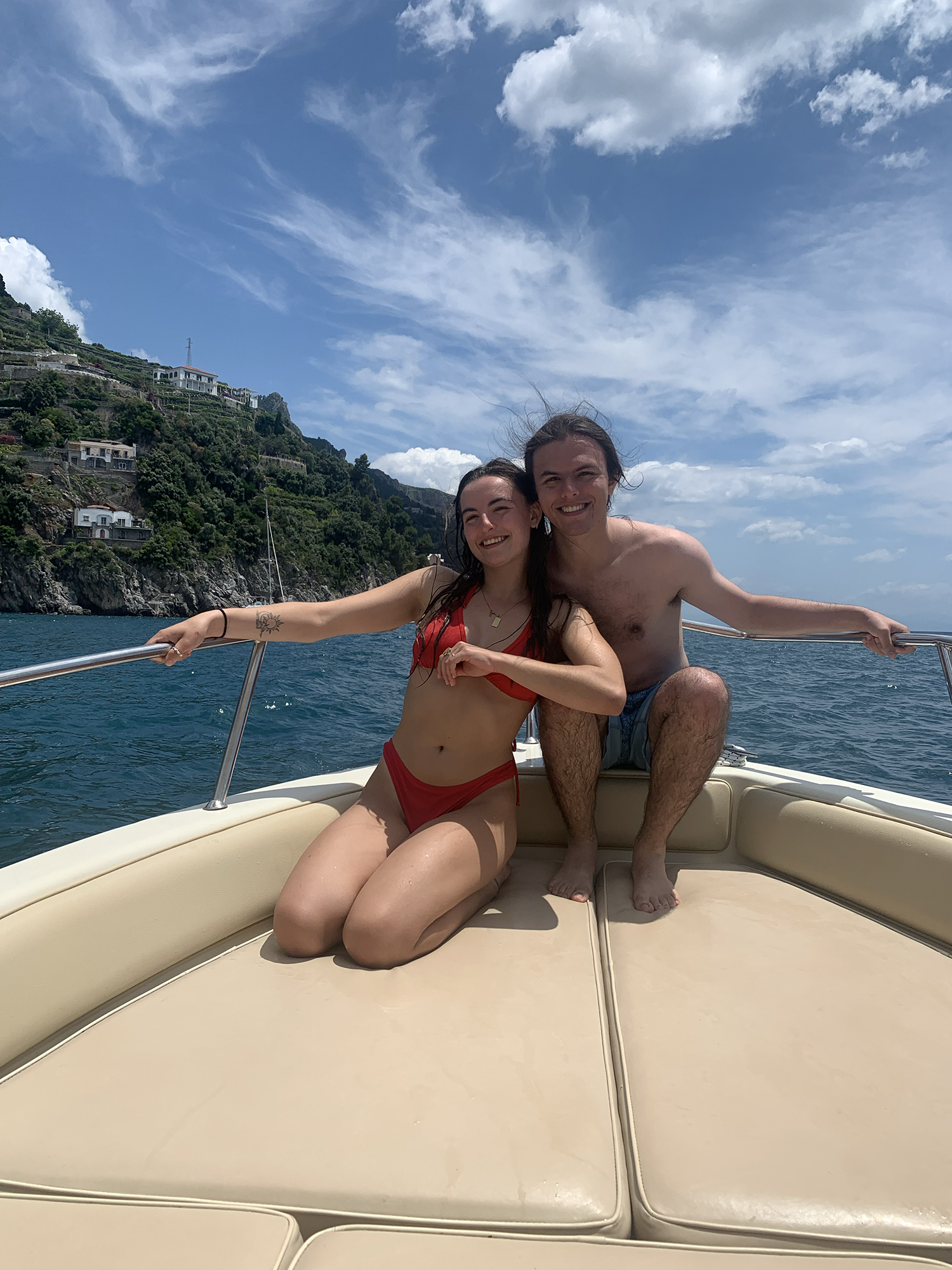
A Boat for a Day
Another highlight was renting our own small self-captained boat for the day — one of the smartest and surprisingly affordable splurges of the trip at under $200. From the water, the Amalfi Coast reveals itself differently: hidden coves, dramatic cliffs, pastel villages stacked into the mountains, and the constant choreography of ferries and fishing boats moving through the sea. There is something deeply liberating about pulling into a quiet inlet and diving directly into the Mediterranean with no agenda beyond the next swim.
Swimming the Mediterranean
Swimming there was like entering another state of mind entirely, cool, intensely blue, and impossibly clear against the heat of June. The beaches are rocky rather than soft and sandy, another reminder that this coastline remains wonderfully untamed beneath its glamorous reputation. Another great way to spend the day is to rent a chair at an Italian beach club with towels, table service and a private beach - definitely a Mediterranean experience.
As for Positano — yes, it is beautiful. Almost absurdly so. But by midday in June, it had become inundated with crowds arriving from Rome and cruise excursions. Its narrow streets overflowed with tourists, and while the beauty remains undeniable, we found ourselves craving quieter corners of the coast instead.
Our advice? Visit Positano and Amalfi early in the morning or later in the evening. Avoid midday if possible. The difference in atmosphere is dramatic.
And perhaps most importantly, there is truly no need for a car while staying along the Amalfi Coast itself. Ferries and boats connect nearly everything with remarkable ease and infinitely less stress.
And there was pastry
No trip to Minori is complete without a stop at Pasticceria Sal De Riso, the legendary seaside pastry shop that has become something of an institution along the Amalfi Coast. Located just steps from the promenade, it draws a steady stream of travelers and locals alike, all coming for one thing above all others: the famous Delizia al Limone.
At first glance, it appears deceptively simple — a delicate dome of sponge cake filled with airy lemon cream and covered in glossy Amalfi lemon glaze — but the first spoonful explains why people speak about it with near religious devotion. Light yet decadent, intensely citrusy without being sharp, it somehow captures the entire Amalfi Coast in dessert form. The lemons here are not merely ingredients; they are part of the identity of the region itself.
The food throughout the coast was equally memorable. Meals unfolded slowly outdoors beneath striped umbrellas and climbing bougainvillea, with chilled wine, sea breezes, and the sound of ferries drifting in and out of the harbor. There were blistered Neapolitan pizzas with bubbling mozzarella and charred crusts, delicate seafood pastas tangled with clams and mussels, fresh anchovies pulled straight from the Mediterranean, and rich bowls of scialatielli ai frutti di mare — the Amalfi Coast’s beloved thick handmade pasta served with shellfish in garlic, olive oil, white wine, and tomatoes.
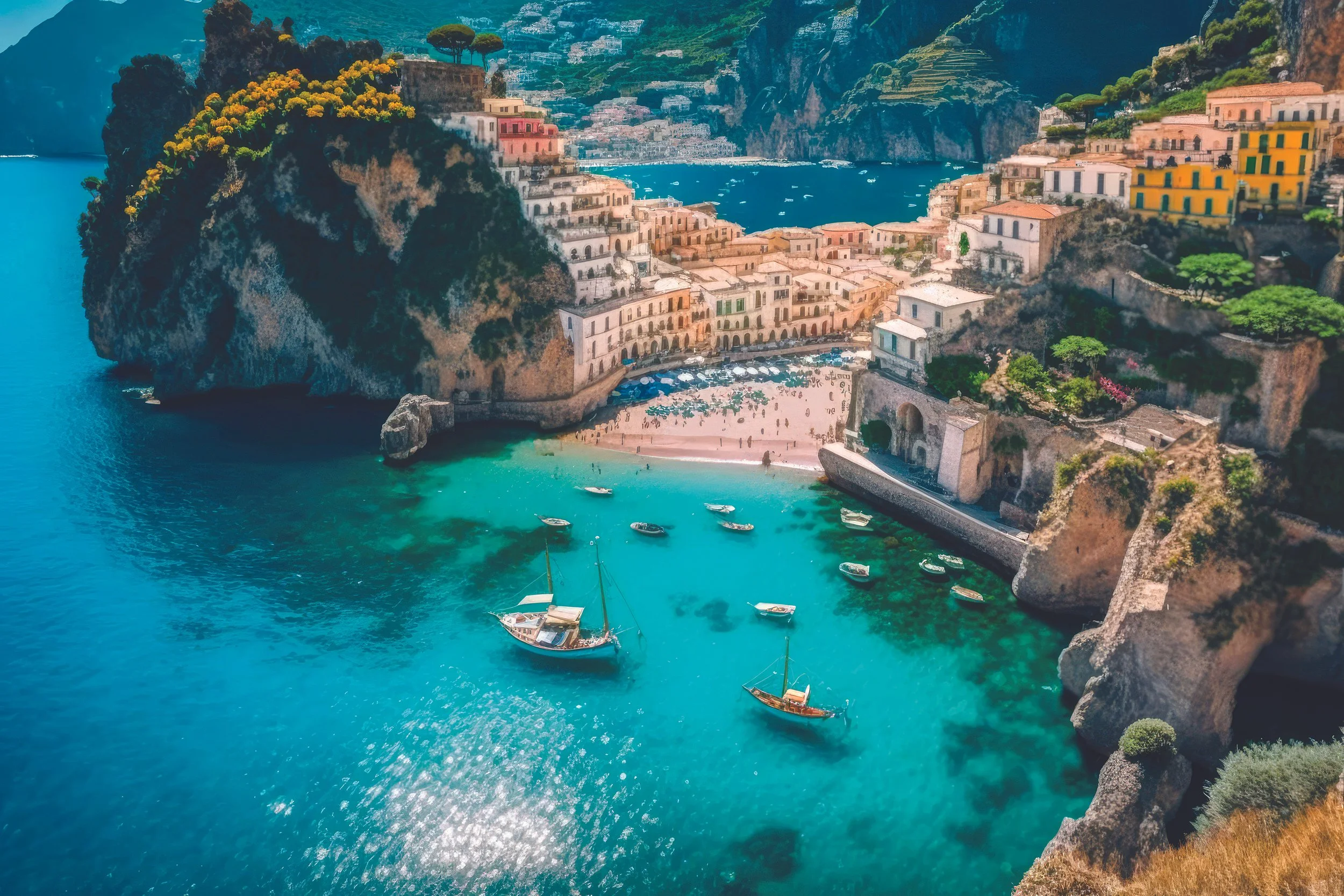
One evening in Maiori, we lingered for hours at Ristorante Pizzeria Nettuno over wood-fired pizza, lemon-drenched seafood, and pasta that tasted impossibly fresh. Another standout was Da Gemma in Amalfi, a longtime favorite known for elegant coastal dishes and refined Amalfi hospitality. For a more dramatic setting, Ristorante Torre Normanna offered cliffside dining carved directly into the rock, where candlelight flickered against the sea below.
In this way dining itself becomes part of the rhythm of the Amalfi Coast. Lunch stretches into late afternoon. Aperitivo slips quietly into dinner. Lemon trees hang overhead while waves crash below stone terraces. And somehow, even the simplest pasta with fresh tomatoes tastes like something you will spend years trying unsuccessfully to recreate back home.
What stayed with us most was not any single postcard-perfect moment, but the feeling of the place — the scent of lemons in the heat, evening walks along Maiori’s promenade, sea salt drying on skin after long swims, and the realization that sometimes the best version of a famous destination exists just slightly beyond where everyone else is looking.
Amalfi Coast Style Ideas
This post contains affiliate links. As an Amazon Associate, I earn from qualifying purchases. This means I may receive a commission if you click on a link and make a purchase, at no extra cost to you.

blue linen dress #affiliate

red linen dress #affiliate
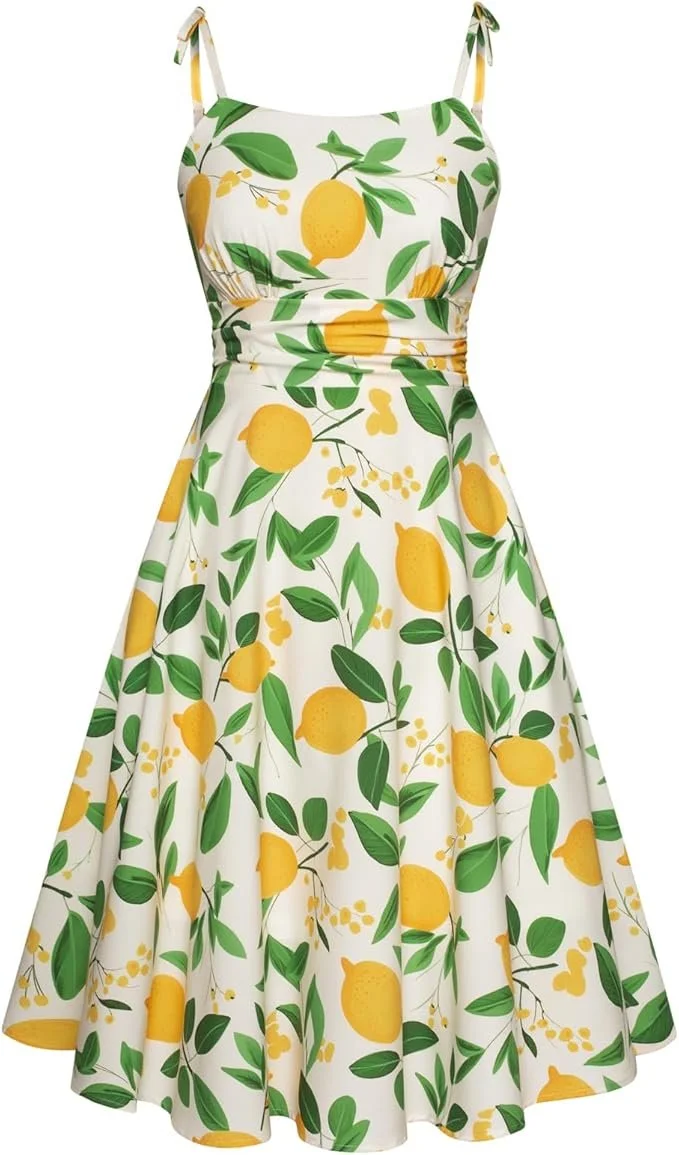
lemon dress #affiliate
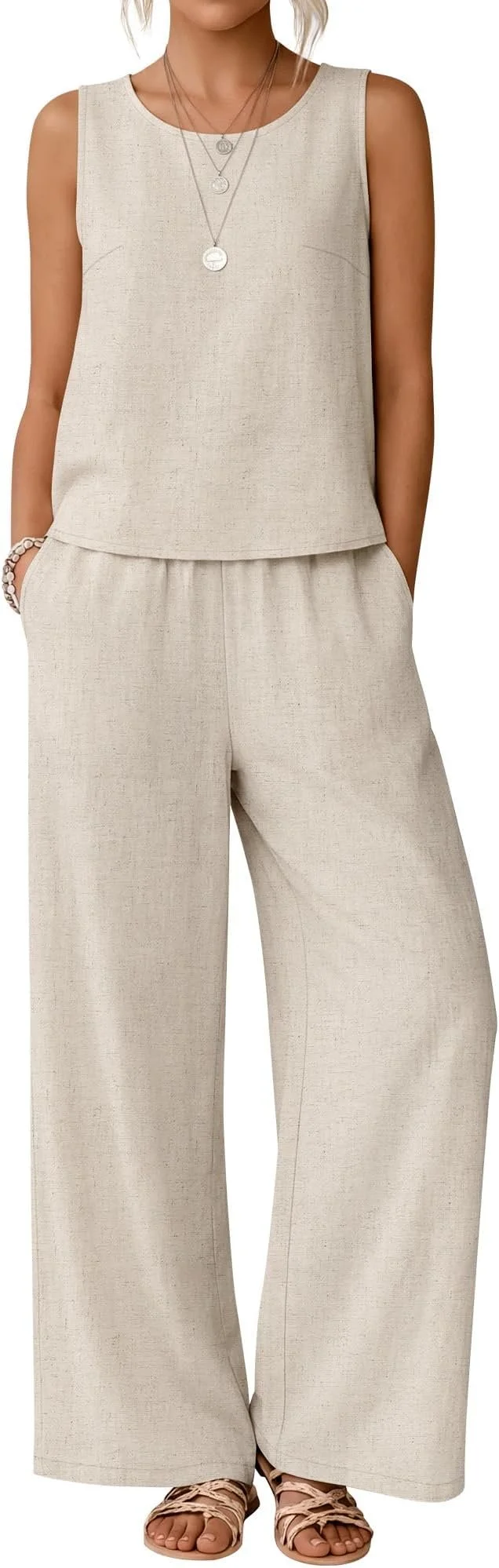
linen set #affliate

Comfortable Beach Hat #affiliate

lemon beach bag #affliate
Travel Gear
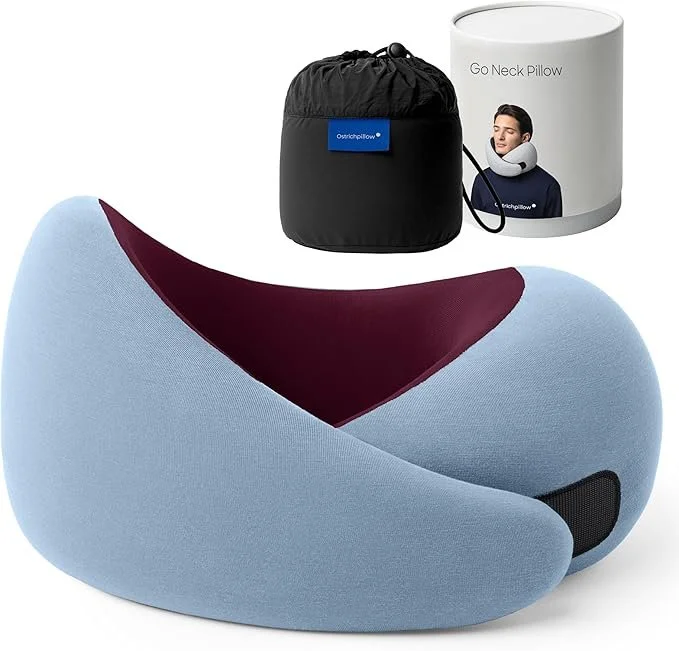
The Best Neck Pillow #affiliate
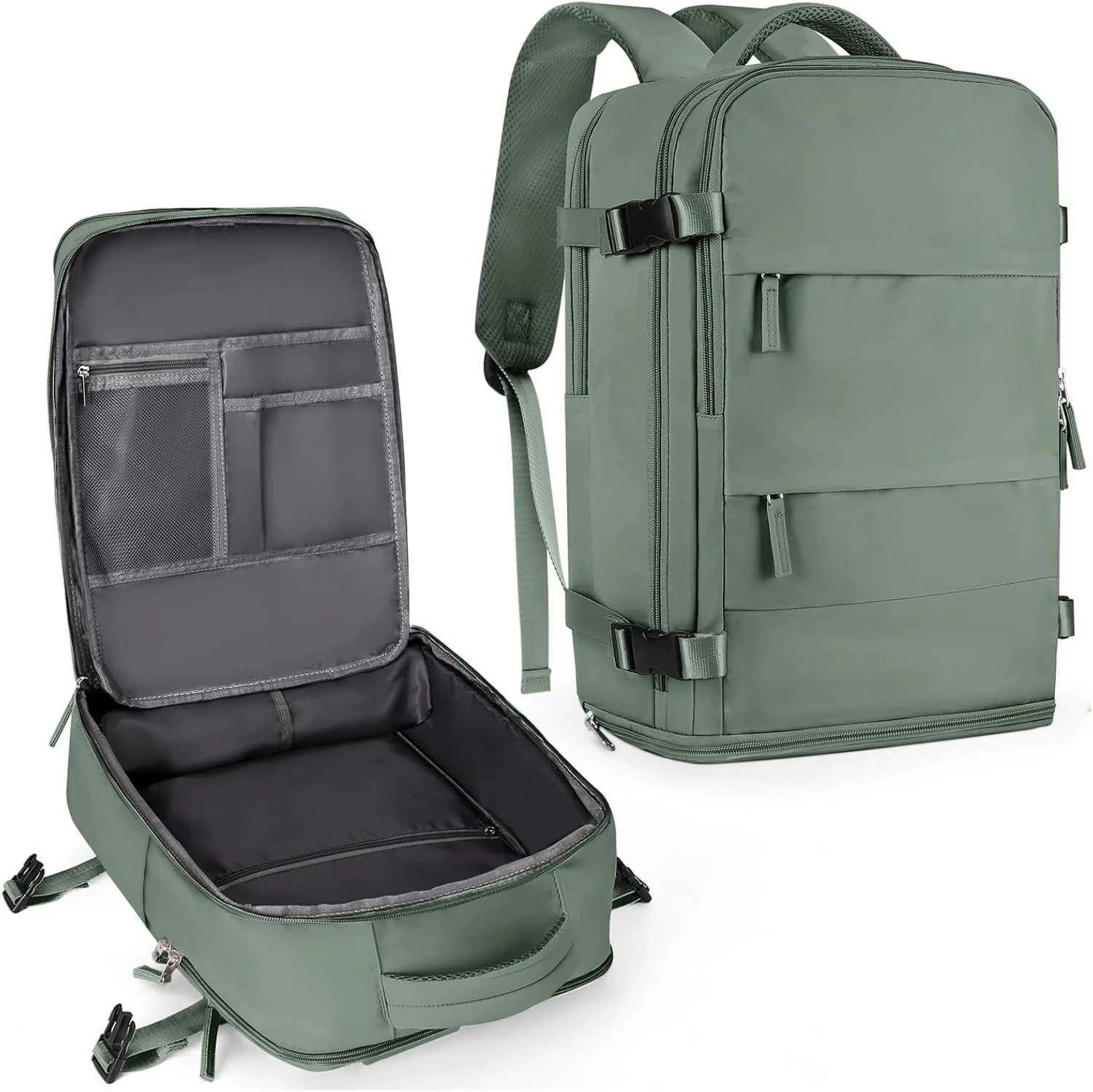
Travel Backpack #affiliate